Week 4: Studying at Lusófona University 🇵🇹
J.Gong
2026-02-01
2.19min
Week 4: Studying at Lusófona University 🇵🇹
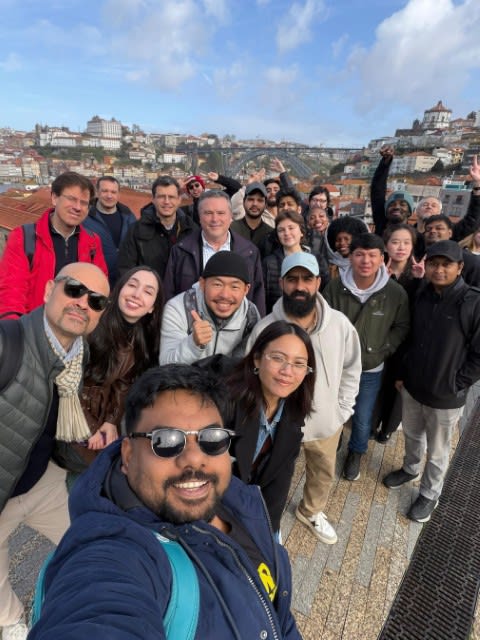
We are settled into our new room at Lusófona University. The classroom offers a stunning view of one of Porto’s most famous sights, the Miradouro. 🏫✨
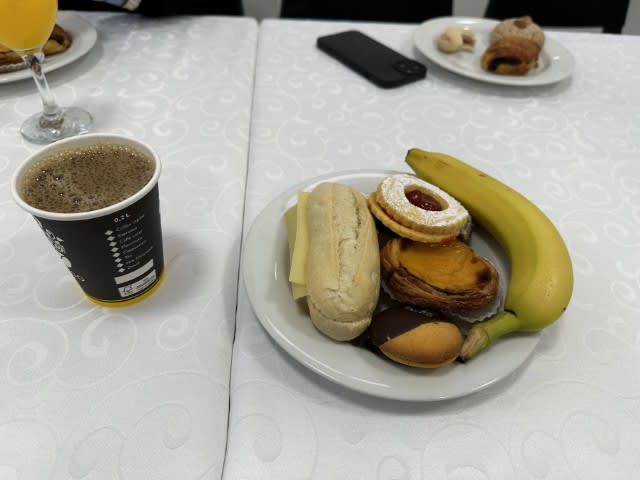
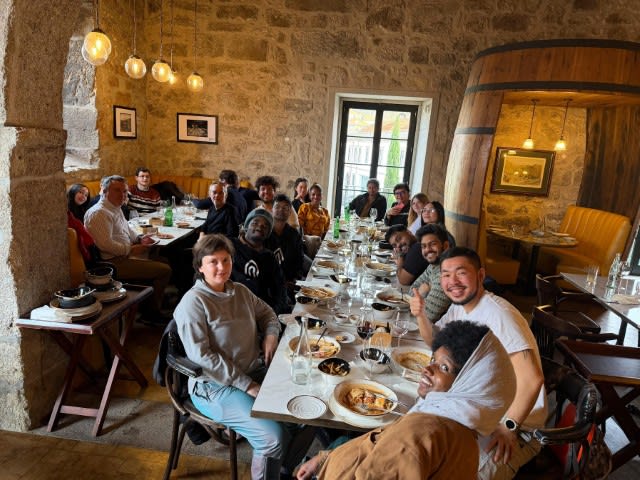
The school has been very generous, providing free coffee and lunch so we can taste authentic Portuguese meals. ☕️🍴
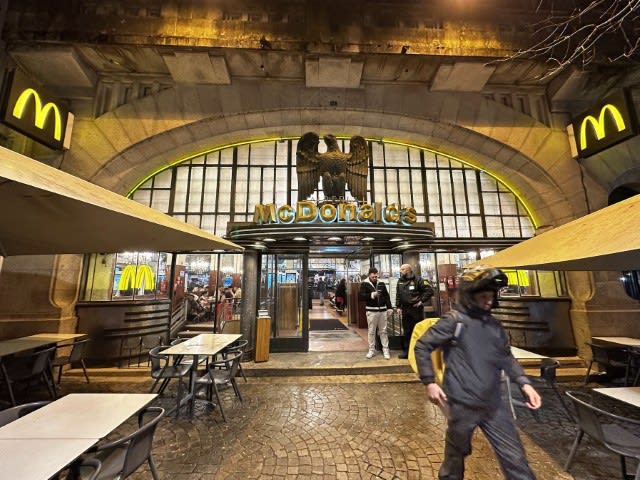
There is a grand Mcdonald around city hall. It is quite royal to have burger inside.
Mastering QGIS and Python 🗺️💻
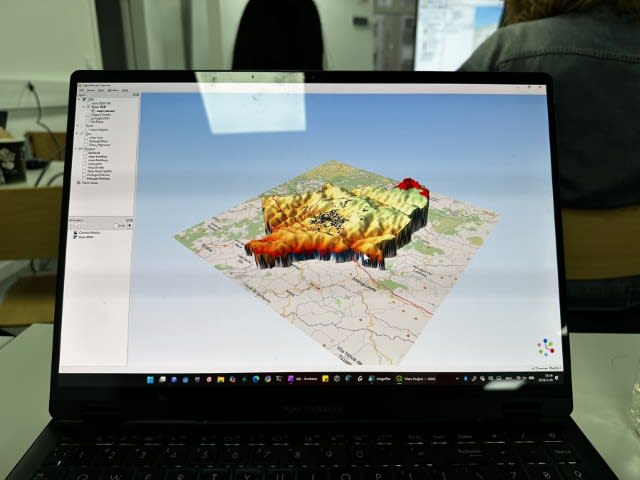
The first class covered the essential usage of QGIS. This was actually the main reason I chose this study! I’ve always wanted to load free maps of Tallinn and Hong Kong but didn’t know how; this course gave me exactly the skills I needed. 📍
On the second day, we dived into Machine Learning with Python. Since I have experience with RapidMiner, it felt like a smooth transition—just switching to a different tool for the same logic. 🤖
Life in Porto: Gyms, Storms, and Sugar 🍬🌦️
Portuguese food is a bit too sweet for my palate. While I’m starting to get used to it, I still find myself wishing for more vegetables! 🥗
Since I’m here for a week, I grabbed a pass at Fox Gym. Portugal has a huge workout culture, likely fueled by their love for football ⚽️—the gym even has big screens showing matches while you train! 🏋️♂️
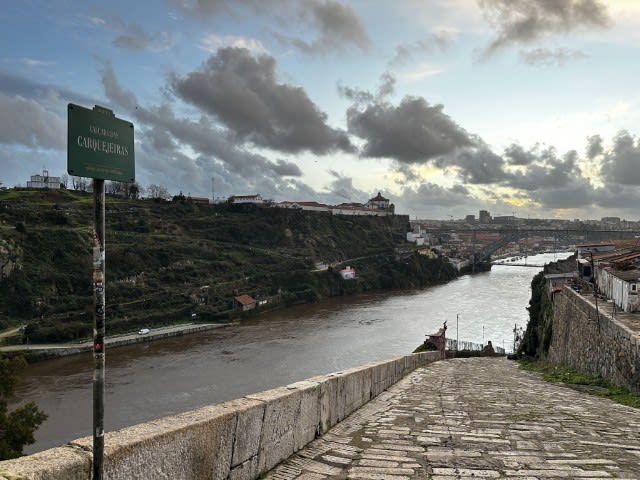
The weather was a challenge, though. Two storms hit during my stay, ruining many of my outdoor plans. However, my location is very convenient:
- School: 10-minute walk.
- Gym: 2km away (with a Lidl right across the road).
- City Center: 2km away (far enough to be quiet at night).
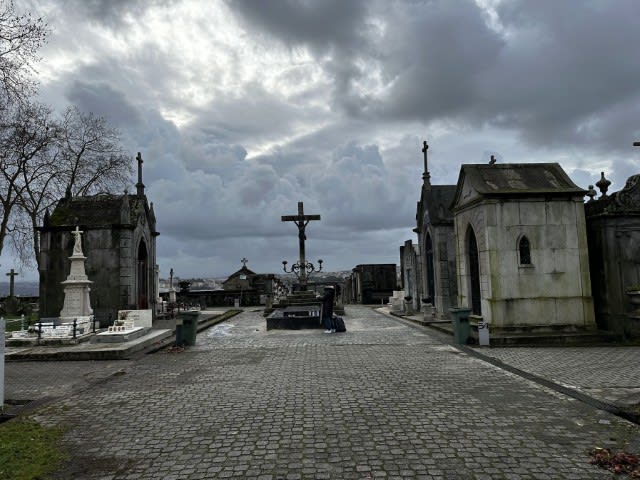
- Nearby: A local cemetery which, on a non-rainy morning, offers a spectacular view. ☁️🌅
The Project: Data, Hunger, and Economics 🌾📊
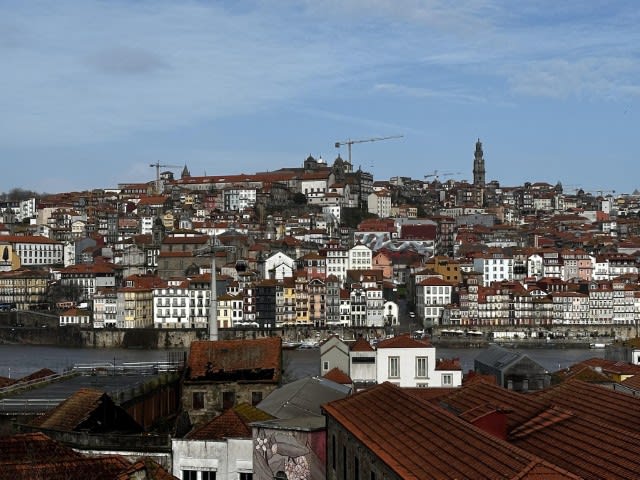
Between the storms, the sun finally came out, allowing us to enjoy some wine tasting and a boat trip across the river. 🍷🛥️
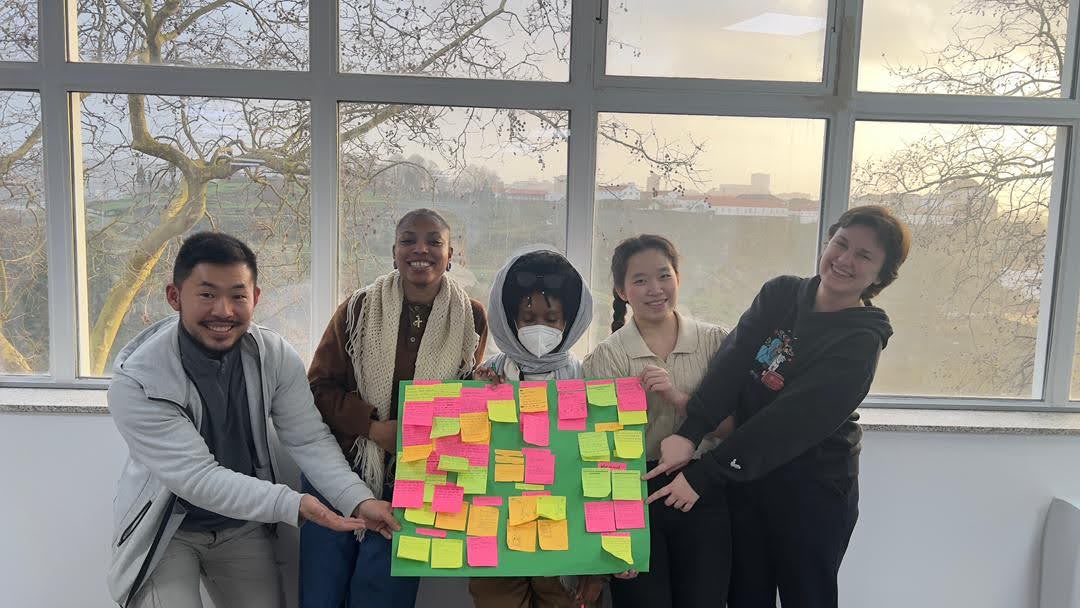
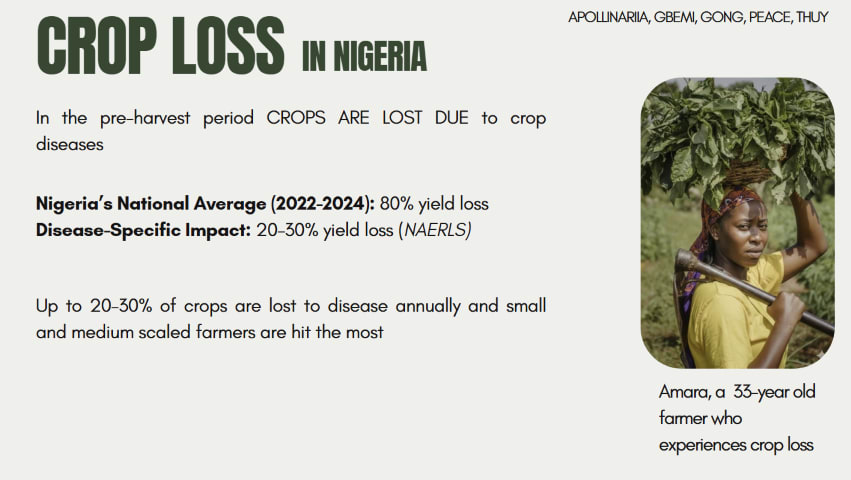
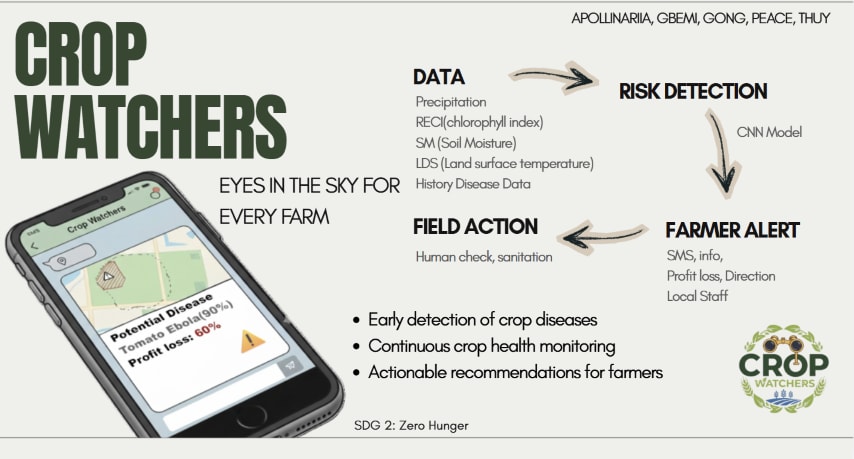
For the final two days, we worked on a project plan combining Geographical Data and Machine Learning. Our team presented a solution for Zero Hunger, using satellite imagery (rain, temperature, moisture, color) and historical disease data to create a CNN model to predict crop diseases. 🛰️
I did have a bit of a disagreement with my teammates, though:
- Their View: Focus on increasing crop quantity to solve hunger.
- My View: Modern hunger is a distribution problem. We should improve roads, storage, and the direct link between farmers and sellers. 🚚
I found it fascinating that both my European and African teammates weren’t familiar with the concept of “谷贱伤农” (low grain prices hurt the farmers). This is a basic agricultural economic principle taught to Chinese children: grain demand is relatively constant. If you suddenly spike the supply without a change in demand, prices crash. Our project was essentially asking farmers to pay for a tool that might lower their total revenue. 📉
Instead, I suggested focusing on preventing total loss from incidents or improving quality (using fewer chemicals), which makes the produce healthier and more valuable. 🌿
Looking Forward 🌬️🏢
My original vision was to use Geographical data to map “wind roads” in cities. As data centers become more common and urban heat islands grow, these wind corridors could exhaust waste air, cool the city, and provide clean energy solutions. My target users would be companies looking to build sustainable urban infrastructure.
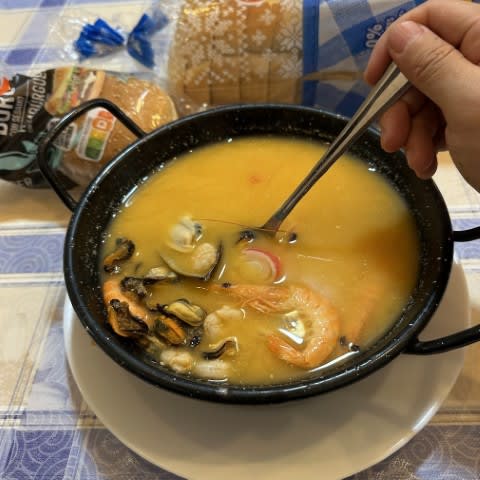
A Final Seafood Treat 🦐
On my last day in Porto, I bought a pack of seafood for only 4 euros. It is incredibly cheap here! You couldn’t even buy a pack of shrimp in Tallinn for that price. 🇪🇪➡️🇵🇹