Gameplay Atlas: Care & Sustain

J.Gong
2026-11-19
2.43min
Gameplay Atlas: Care & Sustain
Recently, I found this website made by @onefifthblue. It disassembles small mechanics from games across different genres. Sometimes when I decide to make a game, making one mechanic is not hard. But one mechanic cannot fit the scale of a modern game. Thinking through multiple mechanics takes time and energy. That is where this website comes in. It is like a dictionary, so this series will start reading and collecting these core mechanics.
Let’s start with “Care and Sustain”:
Topics
Under the theme of “Care and Sustain” are farming, fishing, cooking, mining, survival, and breeding.
They are like resource management: keeping plants and land healthy, kitchen preparation, and maintaining mental health…
Farming
Core loops:
-
Ground and planting
-
Add seasons (timeline)
-
Irrigation coverage (toolkit upgrade)
-
Fertilizer investment (toolkit upgrade)
-
Seed reinvestment
-
Crop–substrate matching (match the soil with the plant)
-
Crop protection
-
Livestock care
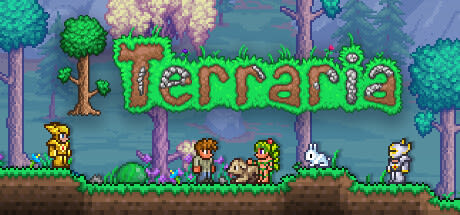
The site introduced several games as examples:

Fishing
- Bite timing
- Line tension control
- Tracking a moving fish (following the fish’s movement so it doesn’t drop the hook)
- Finding fish habitats
- Bait loadouts (preparation, managing bait)
- Choosing a cast location
- Passive fishing traps
- Fish-pond production
- Timed fishing contests
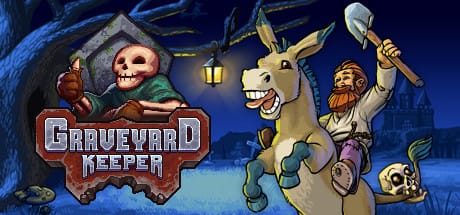
The examples are:

Cooking
- Recipe knowledge unlocks
- Ingredient substitution (replace an expensive ingredient and still get the same food)
- Cooking completion windows
- Staged preparation and assembly
- Timed order triage
- Kitchen station handoffs
- Meal buff loadouts (preparation)
- Preservation through processing
- Measured ingredient dosing
- Targeted flavor scoring
The examples are:
- Battle Chef Brigade Deluxe

- Cooking Simulator

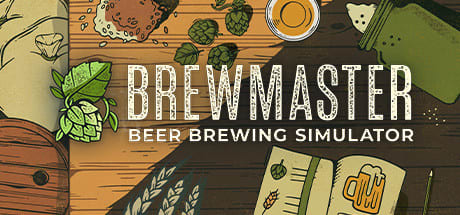
- Brewmaster: Beer Brewing Simulator
- Don’t Starve Together

- The Long Dark

- PlateUp!

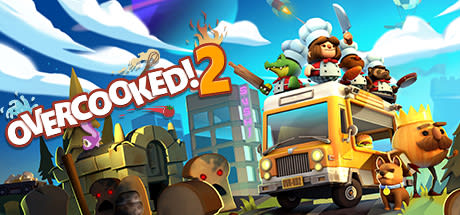
- Overcooked! 2
- Valheim
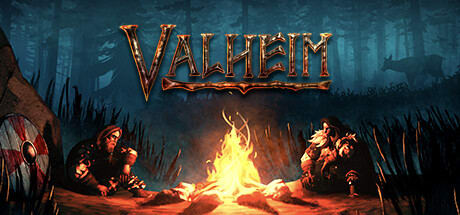
Mining
Mining is quite like survival; the two themes share some mechanics.
- Harvesting tool gates (you need the right tool to start)
- Resource detection overlays
- Volumetric excavation
- Oxygen-budgeted gathering
- Gathering quotas and stopping decisions
- Gathering to sustain gathering
- Clues to buried deposits
- Dismantling for salvage (reusing tools as resources)
- Revisiting renewable forage
- Depth-targeted mining (different depths yield different resources)
The examples are:
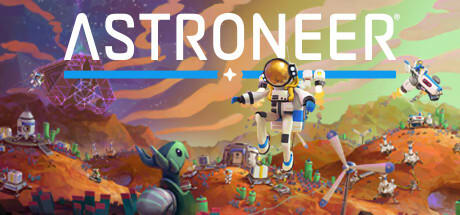

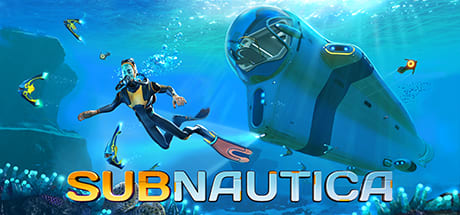

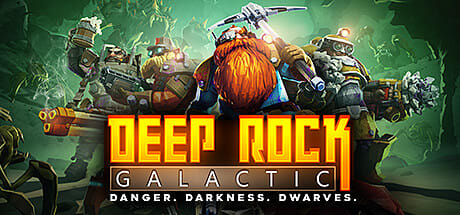
Survival & needs
- Competing survival needs
- Collecting and purifying water
- Fatigue and sleep planning
- Bleeding and urgent bandaging
- Wound hygiene and infection prevention
- Inspecting the body to find problems (watch out for insects or viruses)
- Food balance and nutrition
- Stress buildup and crisis
- Wetness, cold, and warming up
- Injured limbs change capabilities
- Temporary symptom relief
- Interrupting disease transmission
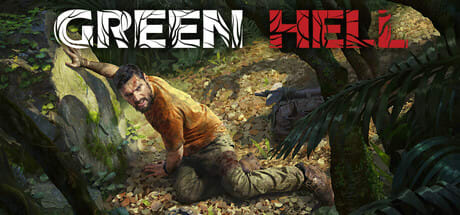
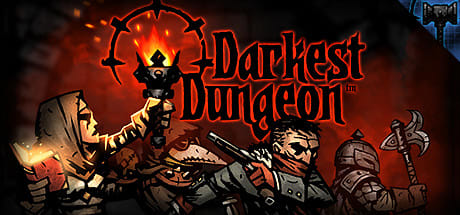
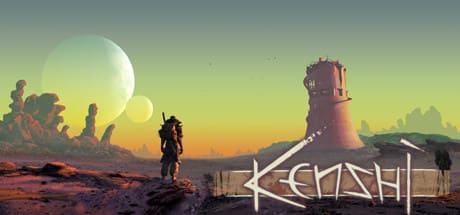
The examples are:



Breeding & ecology
This is like farming, but with hybridization.
- Arranging neighbors to breed plants
- Selecting parents for offspring traits
- Preserving genetic diversity
- Gradually taming wild animals
- Controlling breeding and population size
- Checking habitat capacity before adding animals
- Planning which species can share a home
- Preparing conditions that enable breeding
The examples are: