Gameplay Atlas: Develop & interact

J.Gong
2026-11-25
2.92min
Gameplay Atlas: Develop & interact
These genres basically focus on storytelling. I used to make an interactive novel - 1944. I really wish I had read this part before making it.
Topics
The themes here are progression, relationships, cooperation, and dialogue.
Progression & legacy
- Exclusive specialization branches (different skill branches)
- Practice-based skill growth
- Refund and reassign upgrades
- Persistent currency between attempts (roguelike)
- Choose the next heir (roguelike)
- Reset progress for lasting acceleration
- Escalating challenge conditions (harder levels)
- Random choices at level-up
- Complete a weapon evolution recipe
- Research prerequisite chains (skill → weapon upgrades)
- Death costs trained abilities
- Progress through learned knowledge
The examples are:
- Grim Dawn
- The Elder Scrolls V: Skyrim Special Edition

- Baldur’s Gate 3
- Hades
- Rogue Legacy 2
- Rogue Legacy
- Cookie Clicker

- Clicker Heroes
- Slay the Spire
- Vampire Survivors
- Brotato
- HoloCure - Save the Fans!

- Factorio
- RimWorld

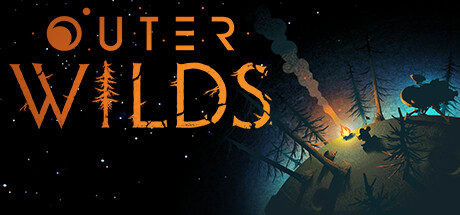
- Outer Wilds
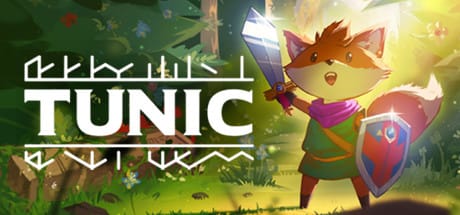
- TUNIC
Social & relationships
- Gift preferences and allocation
- Daily contact rhythm
- Relationship-gated scenes
- Companion approval
- Dialogue persuasion checks
- Shared-activity itineraries
- Faction reputation (two parties record the player’s reputation)
- Secrets as leverage
- Relationship commitment (upgrading the relationship)
The examples are:
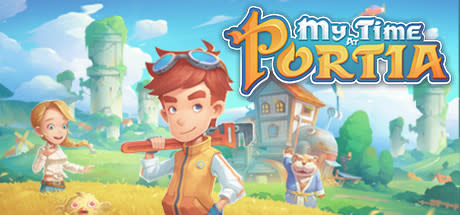
- My Time at Portia
- Persona 4 Golden

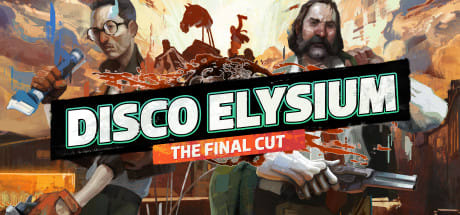
- Disco Elysium
- Tyranny
- Fallout: New Vegas

- Crusader Kings III (dynastic marriage)
- Beholder
- Total War: THREE KINGDOMS
Cooperation & social play
- Communicating split information (one piece of information split among different people)
- Hidden roles and convincing behavior
- Discussion, evidence and voting
- Reviving a downed teammate
- Crewing a shared vehicle
- Moving while physically tethered
- Reaching separate controls and synchronizing
- Combining different character abilities
- Temporary alliances and betrayal
The examples are:
- Keep Talking and Nobody Explodes

- We Were Here
- Among Us
- Goose Goose Duck
- Deep Rock Galactic
- Sea of Thieves
- Lovers in a Dangerous Spacetime
- Bread & Fred

- Chained Together

- Portal 2

- Trine 2
- Armello
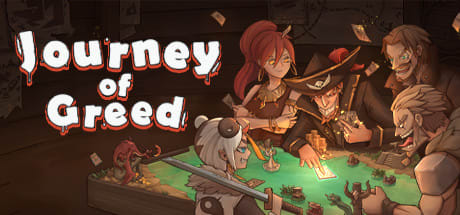
- Journey of Greed
Dialogue & event choices
- Answer before the response window closes
- Choose silence and let the other person continue
- Use evidence to challenge a specific statement
- Let an earlier choice change a later event
- Allocate limited time among leads (separate work with one timeline)
- Open extra dialogue through identity and experience
- Respond through what you make and serve
- Continue earlier consequences through another character
- Repeat a time window with a different event plan
- Intervene before the other person finishes
The examples are: